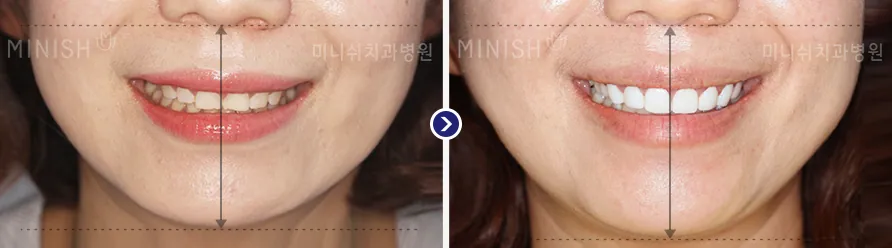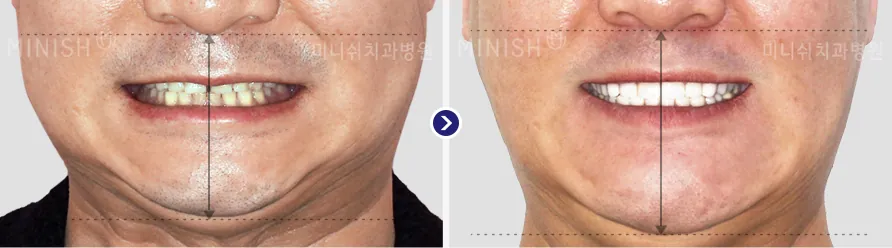

Bruxism / Temporomandibular joint Bruxism & TMJ
MINISH Dental Hospital
Treatment for Bruxism & TMJ Disorders
Bruxism and TMJ disorders are common today,
but they are less well known than other dental conditions, so
many people miss the right time for treatment.
Because the two conditions affect each other, it is important to
have them diagnosed and treated by specialized dentists.
MINISH Dental Hospital
Who Needs Bruxism / TMJ Treatment
Bruxism and TMJ problems can lead to functional problems of the jaw and teeth
as well as tooth sensitivity and periodontal disease.
Because these symptoms are common in everyday life, our hospital
offers both symptom treatment and solutions for the cosmetic
problems they can cause.
[ Bruxism / TMJ self-check ]
-
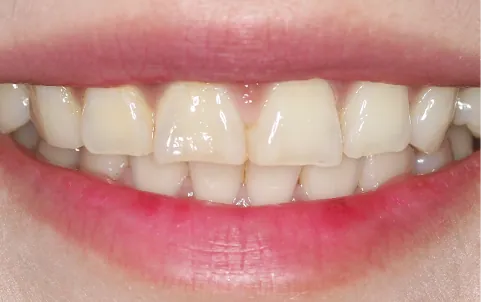
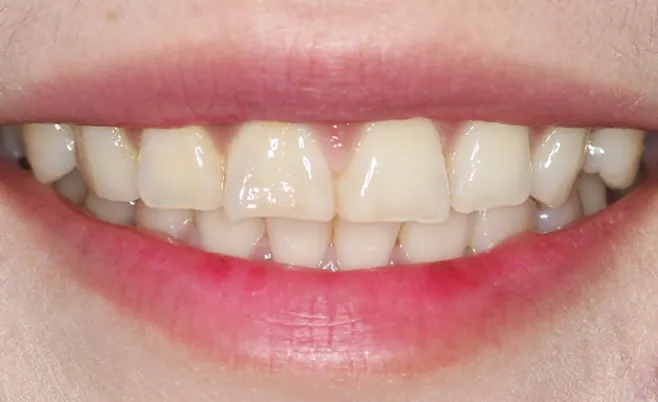
Bruxism
- You habitually clench your teeth
- Your jaw feels stiff when you wake up
- Extensive tooth wear or fractures
- When tooth wear has changed the shape of your face
- Fatigue or pain in the jaw joint and surrounding muscles
-
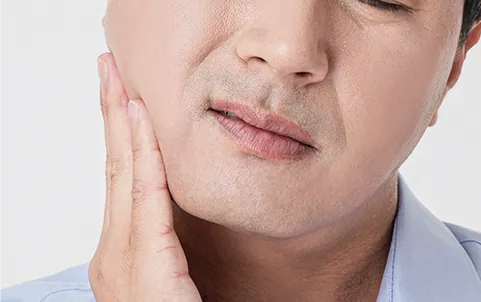
Jaw joint
- Your jaw makes sounds or does not open easily
- Headaches or neck and shoulder pain caused by the jaw joint
- Malocclusion keeps your upper and lower teeth from meeting properly
- You grind your teeth in your sleep
- Frequent headaches or neck and shoulder pain
Dental Symptoms
Caused by Bruxism
clenching the teeth while awake during the day.
Sleep bruxism in particular is hard to notice yourself,
and because the biting force cannot be controlled, it puts heavy strain
on the teeth, gums and joints.


[ Bruxism symptoms ]
Symptoms of
TMJ Disorder
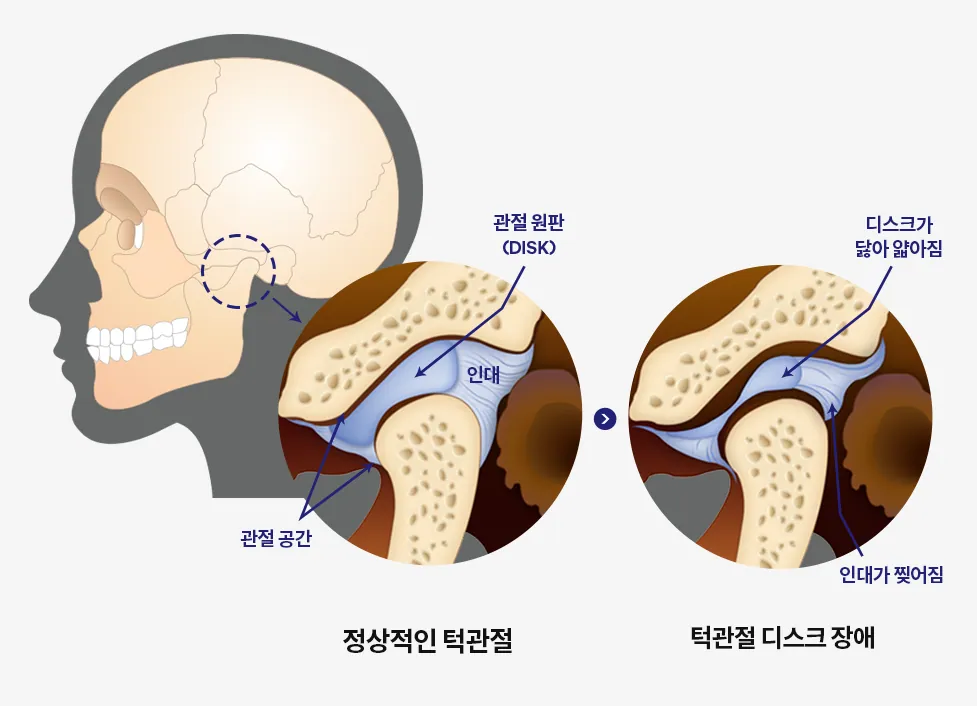
of the jaw joint. Inflammation or
dislocation of the joint causes pain and makes it hard to open the mouth.
At first, the only sign may be a sound from the jaw
when opening or closing the mouth, but as the disc gradually
deforms, it leads to limited mouth opening and pain.
[ TMJ disorder symptoms ]


Jaw joint pain
Pain in the jaw joint area


Jaw joint sounds
A clicking sound when opening the mouth
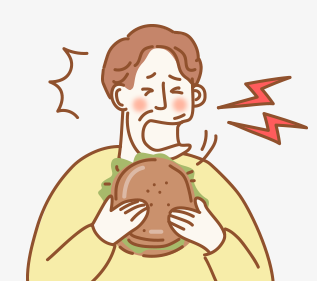

Limited mouth opening
Unable to open the mouth
MINISH Dental Hospital
Bruxism / TMJ Treatment Options
with medication, Botox, splints and occlusal treatment according to the type and severity of their symptoms.
-

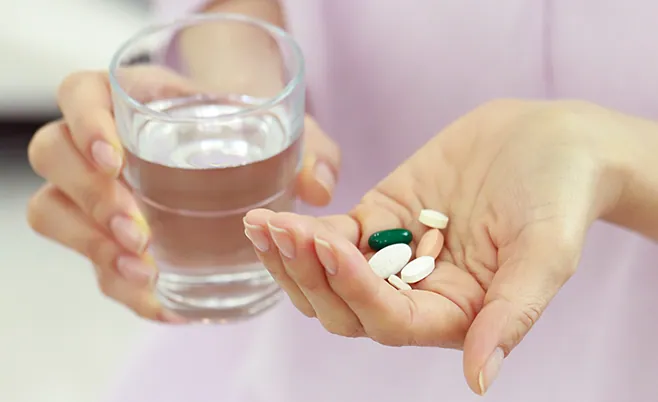
01 Medication / physical therapy
This treatment is offered to patients with early-stage myofascial pain or those seeking symptom relief and is combined with physical therapy and medication.
-
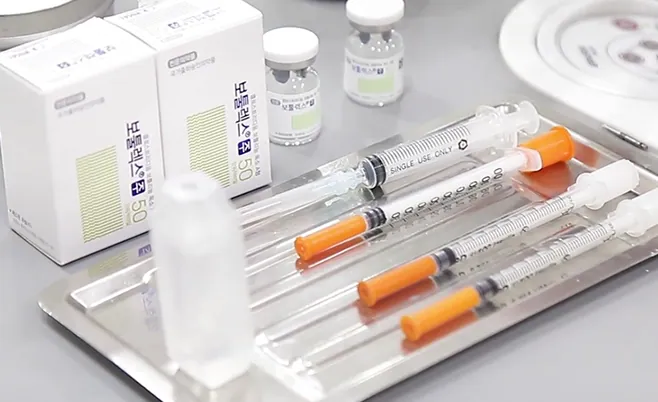
02 Botulinum toxin injection
Commonly called Botox treatment, it takes effect
quickly, weakening the muscles and reducing their thickness
to lessen the harmful effects of bruxism. Depending on need, about 3–4
injection sessions may be needed. -
03 Splint
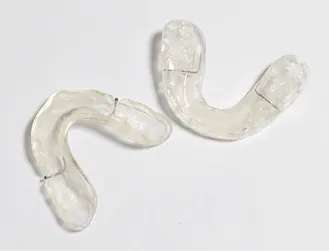
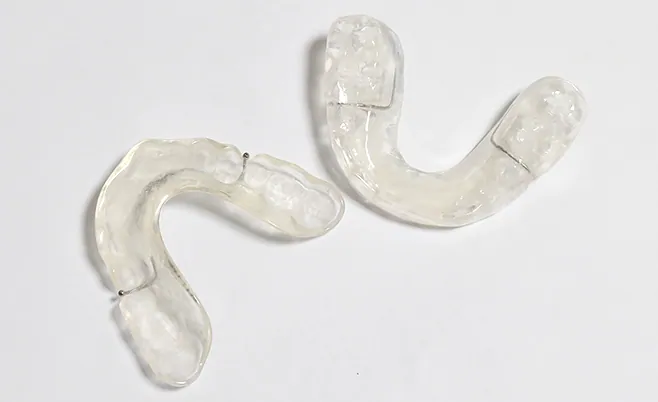
A splint stabilizes the muscles, enhancing the effect of Botox.
If bruxism continues after treatment, it reduces the tooth damage caused
by grinding. By reducing the pressure on the joint and disc,
it promotes recovery of the deformed tissue.
MINISH Dental Hospital
Bruxism / TMJ Treatment Process
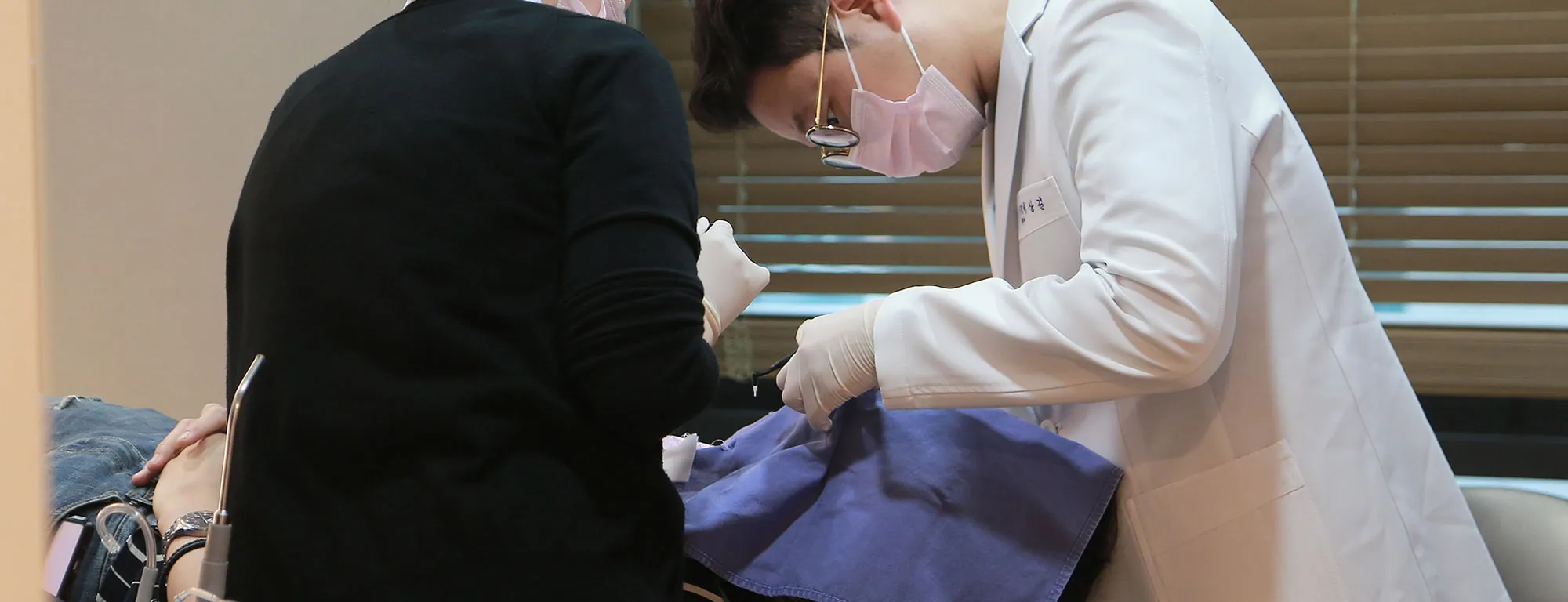
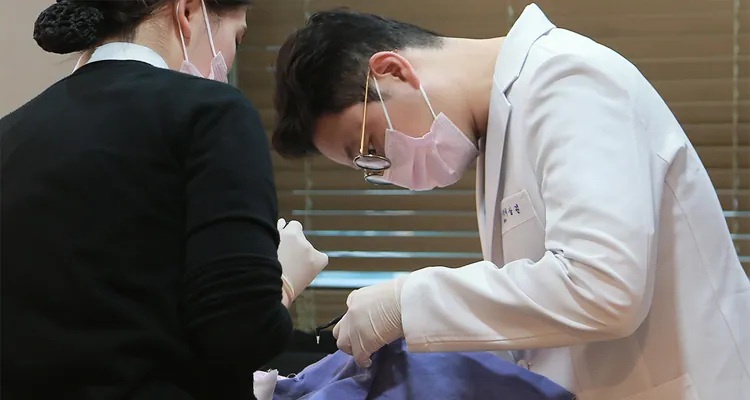
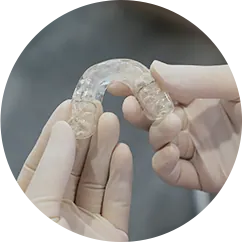
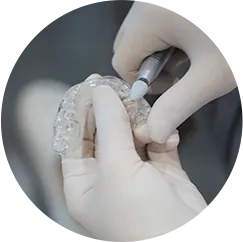
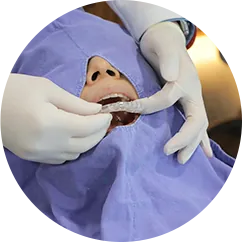
At MINISH Dental Hospital, we make a treatment plan suited to each person based on a preliminary exam and custom-make an occlusal stabilization appliance (splint) that fits you, rather than an off-the-shelf one. Because TMJ and bruxism treatment requires precise adjustment by the dentist to reach its goals, regular checkups are essential.
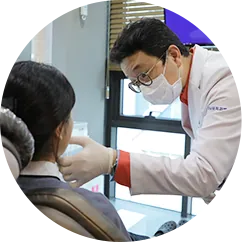 Oral diagnosis
Assessment of your oral condition and exam by the dentist
 Botox injection
Bruxism
appliance fabricationCustom appliance made after occlusal analysis
 Custom oral
appliance adjustmentCanine guidance restoration: restoring canine function to reduce the force exerted by the muscles during teeth grinding
 Symptom management
Appliance follow-up
checkBruxism symptoms, assessment of improvement, and regular appliance checks and adjustment