

Minish Oral Health AssessmentComprehensive Oral Exam System
MINISH Dental Hospital
Comprehensive Oral Exam Program
The Comprehensive Oral Exam Center at MINISH Dental Hospital provides a reliable oral exam service in which a specialist dentist performs the exam and personally explains the results.
Using optical and dental diagnostic equipment,
we identify plaque, tartar, cavities and tooth cracks that are hard to detect, and,
through professional oral microbiology testing, we recommend oral care and treatment suited to each person to help prevent dental disease.
MINISH Dental Hospital
Why You Need a Comprehensive Oral Exam

A problem that could be treated simply and with little discomfort in its early stage becomes more painful to treat
if left for a long time, and the number of visits and the cost rise as well.
That is why regular oral exams are an effective way to keep your teeth healthy. It is important to visit the dentist before symptoms or pain appear, have your overall dental condition checked, and prevent oral disease.

MINISH Dental Hospital
Comprehensive Oral Exam Center

-
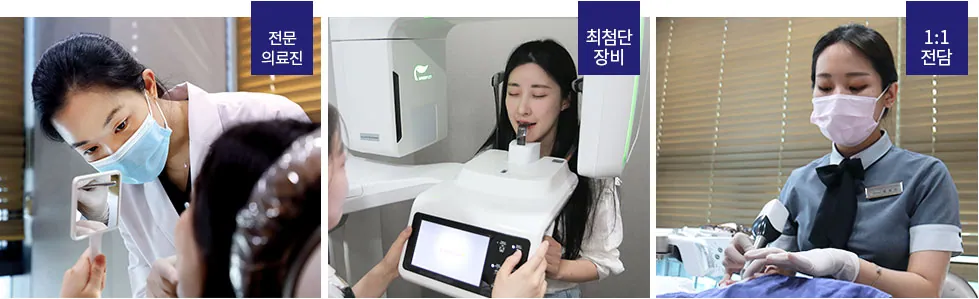
01. Specialized dentists
- Reliable testing and reading of results by dentists specialized in each area of the exam
- A friendly results consultation and oral care guidance from specialized dentists -
02. Advanced medical equipment
- CT equipment that allows detailed, accurate diagnosis of your overall dental condition
- Optical diagnostic equipment that detects plaque, tartar, cavities and cracks that are hard to see with the naked eye -
03. Prompt referral and interdisciplinary care
- Immediate notice of any abnormal findings from the dental exam
- Prompt coordinated care with the relevant department when a dental condition requiring treatment is found
- Detailed testing and care by experienced dentists at each specialty center -
04. Dedicated one-on-one coordinator
- A coordinator who is a licensed dental hygienist guides you comfortably through every step, from check-in to the end of the exam -
05. Ongoing care after the exam
- Testing for harmful oral bacteria to assess disease risk and support preventive care
- Management of individual examination records and ongoing oral care
Comprehensive Oral Exam Program
Exam Steps
The comprehensive oral exam at MINISH Dental Hospital is by appointment,
and our one-stop service completes all tests within one hour.
-

- Step1
- Questionnaire
-
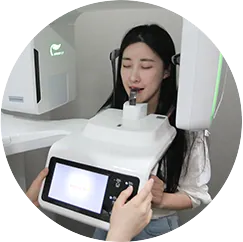
- Step2
- CT and panoramic
X-ray
-
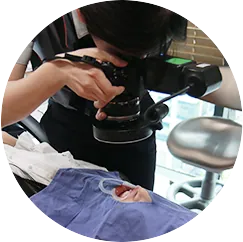
- Step3
- Detailed oral
imaging
-
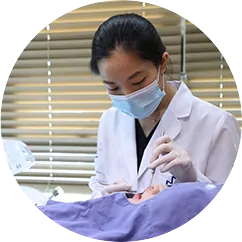
- Step4
- Initial clinical exam
and diagnosis
-
- Step5
- Fluorescence
imaging
-

- Step6
- Oral pathogenic
bacteria test
-
- Step7
- Toothbrushing
instruction and practice
-
- Step8
- Final exam
results consultation
The Structured MINISH Dental Hospital Comprehensive Oral Exam Program
Comprehensive Oral Exam Program
Step by Step
At MINISH Dental Hospital, comprehensive oral exams are conducted directly by
our expert dental team to provide accurate assessments, interpret the results, and develop appropriate treatment plans. After the exam, we help you continue with treatment, consultations, and regular checkups.
-

01
Questionnaire
Oral Health Survey Questions
[ Oral health habits checklist ]
You fill out a questionnaire about any oral discomfort you have noticed,
your level of oral health awareness, and your oral habits.
-
02
CT & panoramic X-ray
Computed Tomography / Panorama
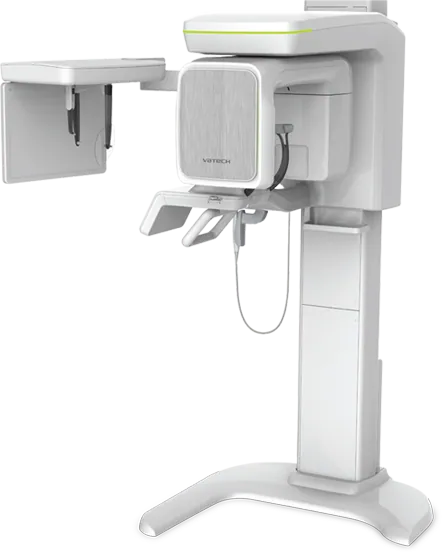
[ Cone-beam computed tomography (CBCT) ]
Dental computed tomography uses X-rays to create 3D images of the teeth and bone, showing fine details of the mouth's hard tissues.
[ Panoramic X-ray ]
A panoramic X-ray shows the overall condition and alignment of the teeth, the bite relationship and the condition of the jawbone.
It shows whether there is any loss of gum (alveolar) bone, any inflammation at the root tips, the condition of existing prostheses, and any missing teeth.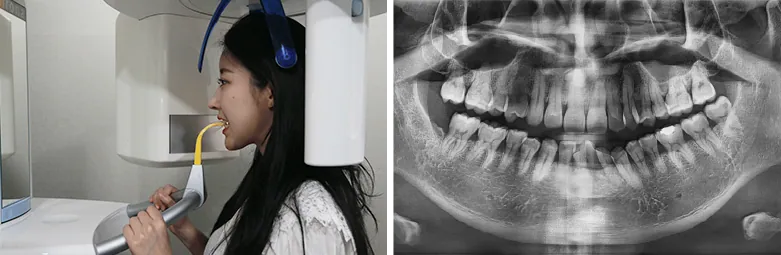
-
03
Detailed oral imaging
Oral Photography / Bite-Wing Radiography / Periapical Radiograph
-

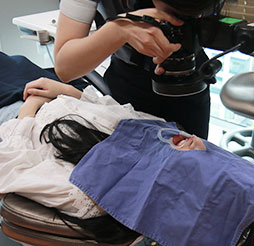
[ Intraoral photography ]
Magnified images of the teeth, from the front teeth to the molars, show cavities on proximal and smooth surfaces as well as the condition of existing fillings and prosthetic work.
-


[ Bitewing X-ray ]
An X-ray technique that captures only the crowns of the upper and lower teeth. It is useful for finding cavities between teeth (proximal
surfaces), which are hard to detect early. -


[ Periapical X-ray ]
* Performed if neededAn X-ray technique that shows a problem tooth in greater, magnified detail. It shows inflammation at the root tip, the condition of root canal treatment, and primary and secondary cavities.
-
-
04
Initial clinical exam and diagnosis
1st Examination
[ Initial diagnosis ]
We examine the teeth and periodontium by combining visual inspection, percussion and palpation with panoramic X-rays, CT (computed tomography) and various images (bitewing X-rays, digital intraoral photos).
In the initial exam, the examining dentist checks the health of the teeth and gums, occlusion, tooth shape, alignment and color, and the harmony between the teeth and the face.

-
05
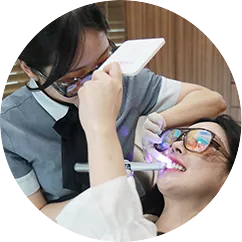
Fluorescence imaging analysis
Qraypen C
An optical diagnostic device reveals plaque, tartar, cavities and tooth cracks that are hard to see in natural light.
It can take a standard image and an optical image at the same time, so the condition of the teeth can be checked by comparing them right away.[ Cavity detection device (Qraypen C) ]
This optical dental caries detection device is classified as a Class 2 medical device and is designed for clinical
use. It is well suited to imaging proximal tooth surfaces when intraoral photography is difficult.
It uses visible light of a specific wavelength to show tooth cracks, caries and plaque as red
fluorescence, allowing plaque to be detected in a single image whether blue or white
light is used.
In addition to initial diagnosis, the images help patients understand their oral condition during follow-up after restorative treatment, caries and plaque management for orthodontic patients, and caries screening and preventive care.
Standard imaging 
Optical imaging -
06
Oral pathogenic bacteria test
Phase-Contrast Microscope / Oral Bacteria Diagnosis
[ Phase-contrast microscope ]
A phase-contrast microscope is used to examine the types and activity of bacteria in the mouth. This analyzes your current oral
environment and helps predict the development of dental disease.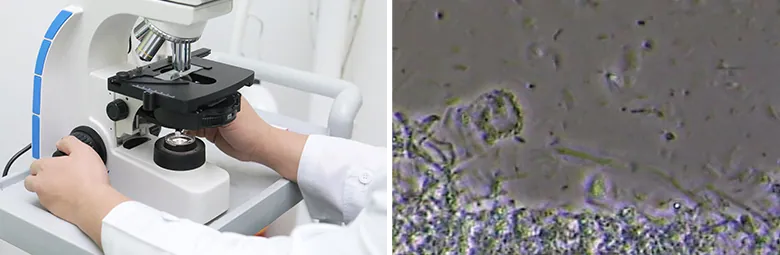
[ Oral bacteria test (OBD) ]

To identify the types and amounts of harmful bacteria in the mouth, a saliva (mouth rinse) sample is collected and sent to an outside
specialized laboratory for genetic testing. The results are available one week later.
The OBD test identifies harmful oral bacteria that can cause not only cavities, periodontal disease and peri-implant disease but also related systemic diseases, helping to predict the onset of disease. (The OBD test is usually done periodically or before and after treatment; comparing the results with earlier test values makes it more meaningful.)
Analysis items Scope Analysis Pathogens 4 types 4 types of cavity / periodontal disease bacteria 8 types Analysis of tooth decay, periodontal disease and peri-implant disease 11 types Analysis of dental caries, periodontal disease and peri-implant disease
(including total bacteria)Test items
Analysis items Scope Analysis Pathogens 4 types 4 types of cavity / periodontal disease bacteria 8 types Analysis of tooth decay, periodontal disease and peri-implant disease 11 types Analysis of dental caries, periodontal disease and peri-implant disease
(including total bacteria) -
07
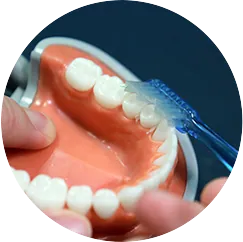
Toothbrushing instruction and practice
Tooth Brushing Instruction
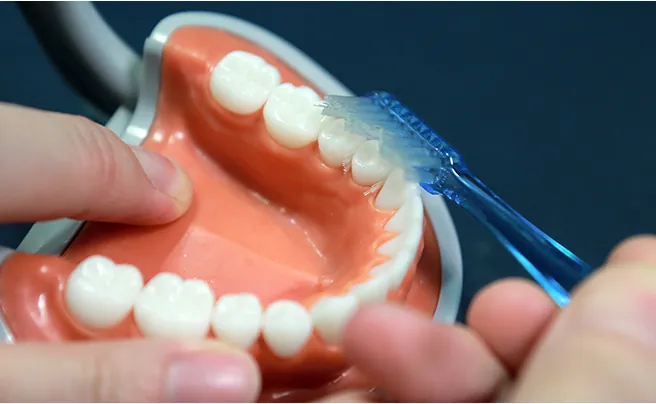
After the final exam, we teach you proper brushing for self-care and a professional tooth-cleaning technique (brushing with a two-row toothbrush).
We also look at the plaque and tartar on your tooth surfaces, between your teeth and along the gumline, as shown by the fluorescence imaging analysis,
and teach you a brushing method suited to you.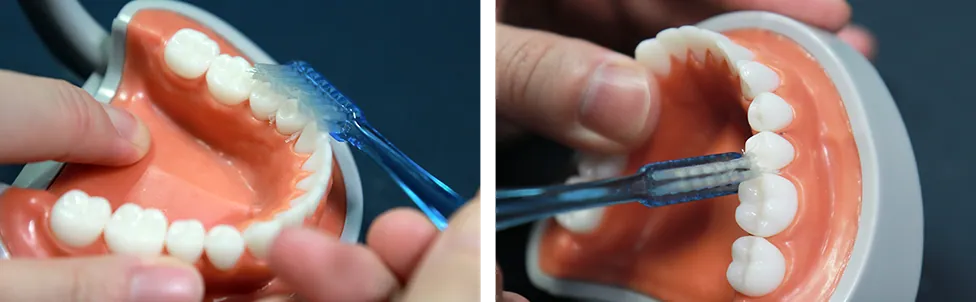
-
08
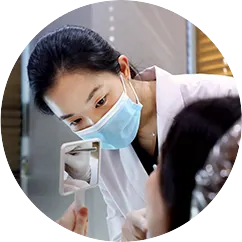
Final exam results consultation
Oral Examination Result
[ Second-stage diagnostic assessment and monitoring by the examining dentist ]
The examining dentist personally explains the results of the tests performed in the comprehensive oral exam program, presents a personalized prevention and treatment plan, and tells you when to come back for your next exam.
(The results consultation takes place within 10 days of the exam.)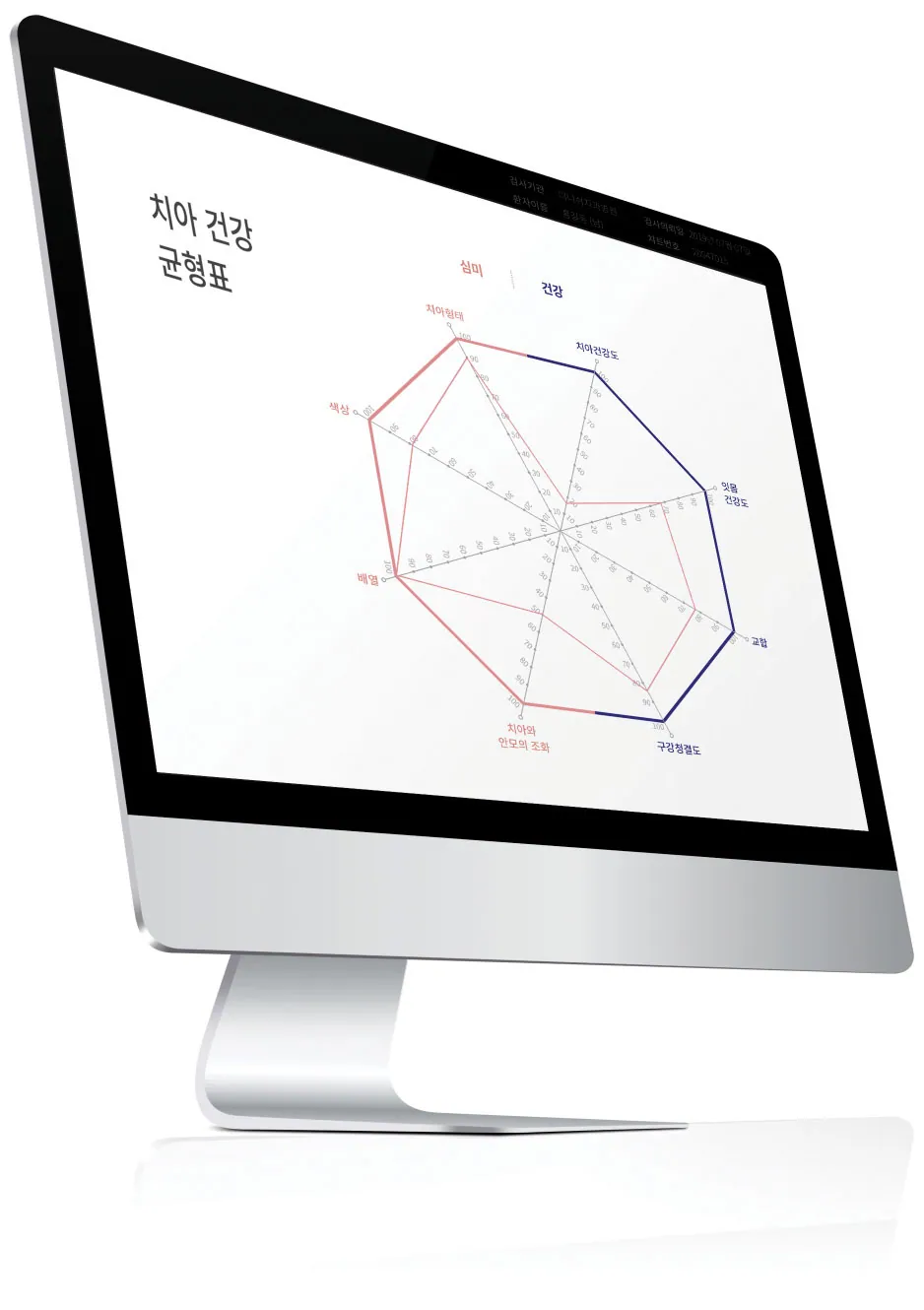
Comprehensive Oral Exam Results Briefing
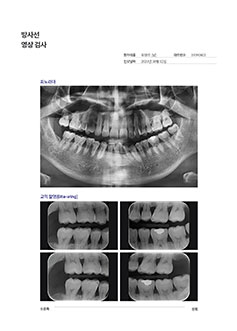
After the exam, you receive a report
describing your current oral condition in detail.




Now,
oral exams are
essential, not optional
Oral exams are
not optional;
they are essential!
We recommend a comprehensive oral exam for:
- - Those who want to keep their teeth healthy for a long time
- - Those who want dental treatment suited to them
- - Those suffering from periodontal disease
- - Those planning a pregnancy
- - Those who want follow-up care after dental implants or prosthetic treatment